Category Archives: textile art

The finish makes the piece

Attending the 20th Annual Rug Hooking Week at Sauder Village I studied the 700+ works looking for different, effective finishing techniques.

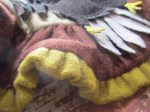
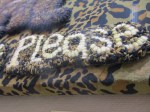
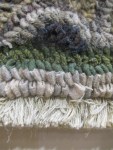
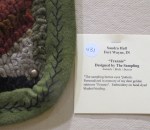
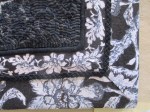
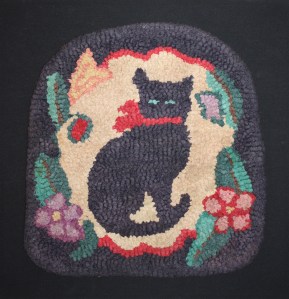
The border of a rug design, fringe on an oriental pattern, embroidered fabric edge on a primitive composition all enhanced the time-consuming handwork rughooking entails. Here are some highlights. I realize my focus was on the details and not capturing the completed image for comparison……all the better for inspiration I hope.

The purpose of a “frame” is to enhance the subject and introduce it to the environment. These techniques completed each design, emphasizing the style (steam punk), drawing attention to the subject (bulky natural linen fringe on colonial design), providing interest (the rippled tail of eagle by Meetinghouse Hill Design).

Learn to select the right finishing technique and your work will rise beyond completed. See Finishing Hooked Rugs for step-by-step lessons from experts and select the right technique so your work will be more than just done.

by Rug Hooking Magazine

by Rug Hooking Magazine

Inspiration explored 50 years later

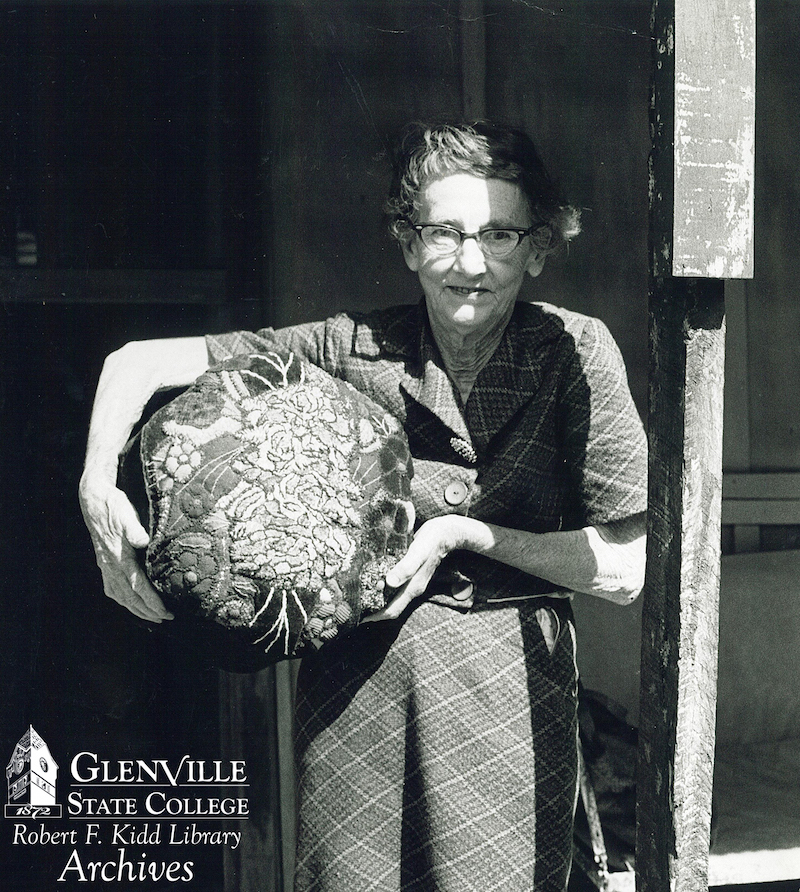
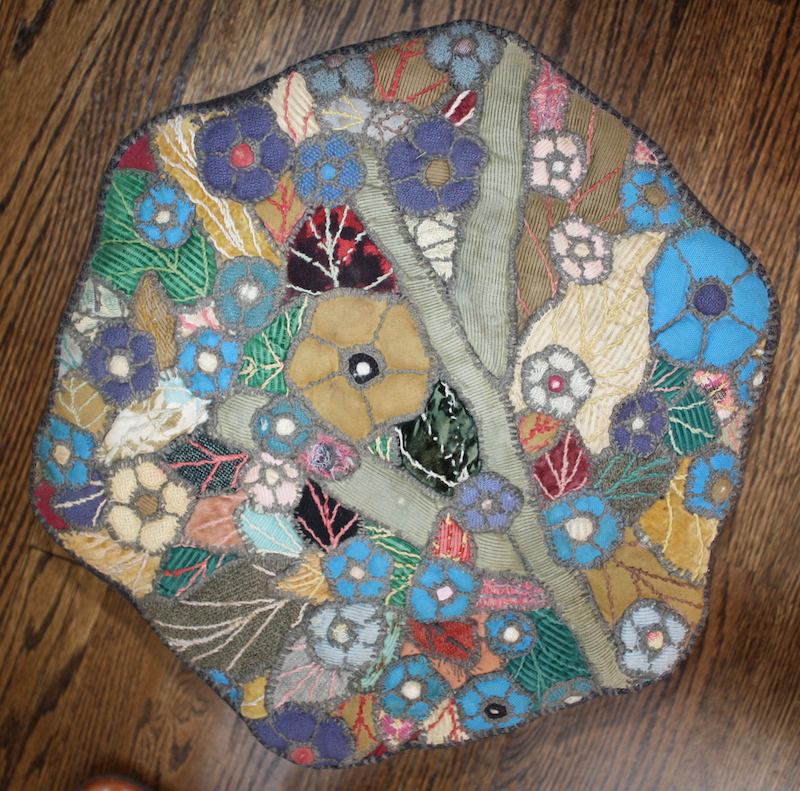
Blanche McDonald, Letter Gap, WV circa 1965 with mixed media footstool

Blanche McDonald, Letter Gap, WV circa 1965 with mixed media footstool

In a five year research project gathering personal background about Otha and Blanche McDonald from Letter Gap, WV I have been inspired by their textile work. Incorporating collage, embroidery, trapunto and stitching the ladies work embodies traditions, make-do, and balanced composition = art.  This post will describe my approach to making a footstool as they did in the 1960’s.
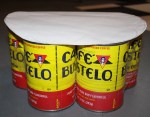
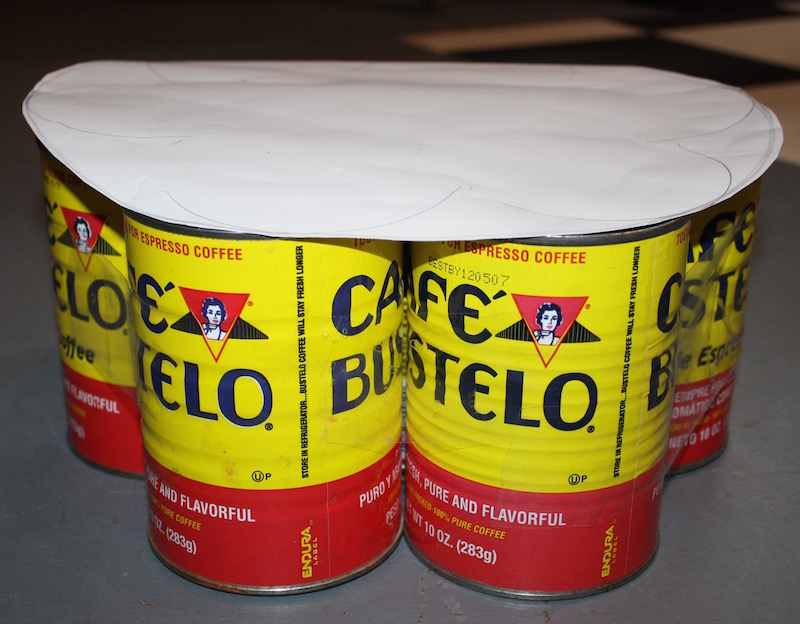
seven cans for the base of footstool

seven cans for the base of footstool

Materials needed: seven same sized empty cans (I used one pound coffee cans)
batting used in quilting
fabric to wrap the circumference of cans assembled into circle
embroidery threads your choice of colors
variety of heavy weight fabrics or upholstery fabric sample
fabric strips to hook (usually wool but your choice)
foundation backing open weave for hooking and stitching
needles, hook, scissors
mat board cut the shape of circle (two pieces)

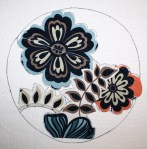
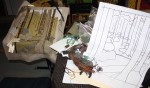
Tape the cans together, six around one in center. Trace this shape on paper and use as template for pattern. Draw onto backing and gather your fabrics, threads, tools. This is the time to play. The McDonald Sisters’ compositions all conjure up gardens and nature. They collaged scraps of velvet, brocades and drapery fabric common in the 1960’s in central West Virginia and any rural community in the United States. The shapes were defined with yarns unevenly anchoring the edges of each petal or stem. Some other materials used to embellish were unraveled copper threads from a Brillo pad which have tarnished over the years but still have a twinkle hint of metal.

top of footstool in private collection

top of footstool in private collection

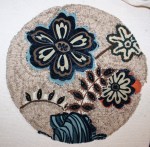
I do not want to replicate their designs for a couple of reasons. One the copyright has not expired, the ladies passed away in 1975 and 1976. Two as an artist I prefer to react and respond. Using a supply of discontinued samples of upholstery fabric acquired from Dillon’s Furniture in Romney (eliminating their dumping them into the landfill), cutting up and rearranging the pieces into a pleasing composition then filling in the spaces with hooked wool fabric and stuffing some of the fabric shapes this footstool cover evolved.

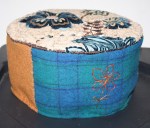
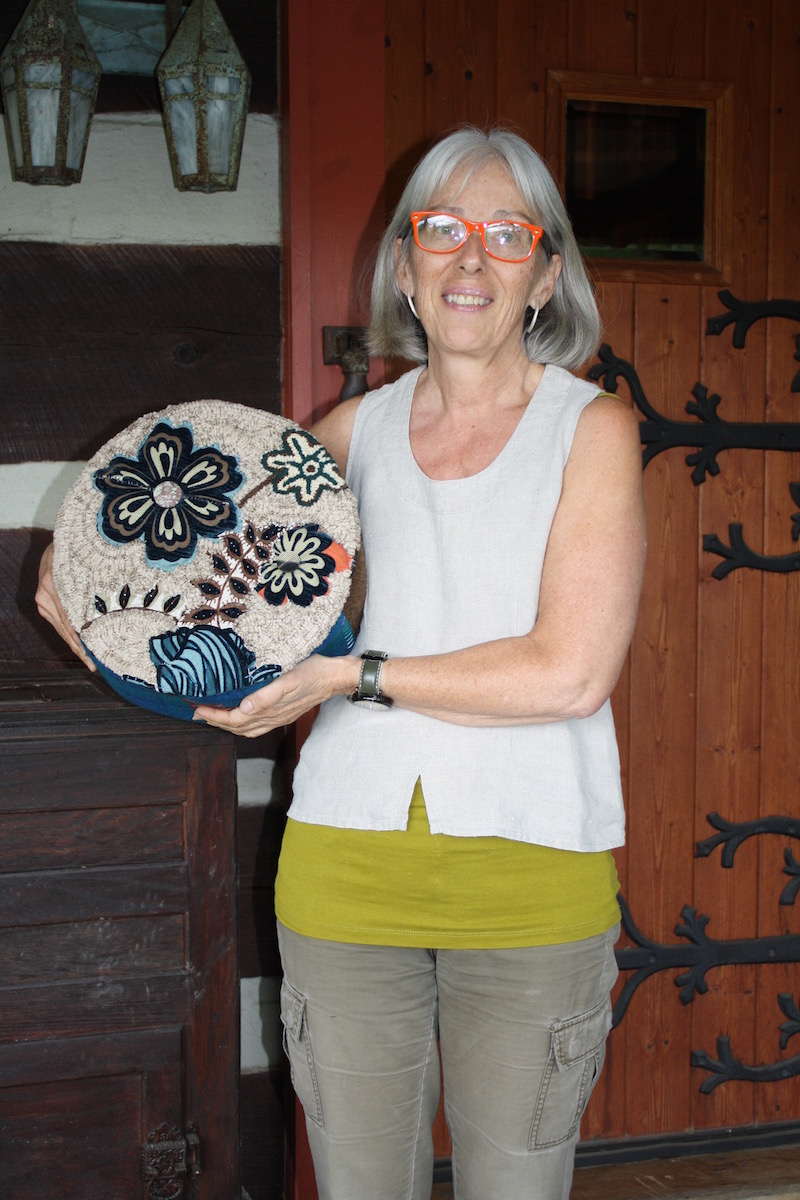
Piecing three colors of wool to wrap the cans, I attached the top and put on a bottom of corduroy with mat board buffering the cans and fabric. The sides were embroidered with simple flowers.  I stuffed the two main flowers on the top but stitched the stems with embroidery threads anchoring them lower than the hooked loops.

This footstool will be part of an exhibit at Sauder Village August 17-20, 2016focusing on Otha and Blanche McDonald’s life and their exposure to economic opportunities thanks to President Johnson signing the Economic Opportunity Act in 1964. They and many craftspeople have been honored in exhibits, purchase awards, and sales for the past fifty years.

Susan L Feller with mixed media hassock

Susan L Feller with mixed media hassock

Fifty years later another footstool and craftsman outside of her log home… me.
Stymied with process

I have a good design, pile of materials in a variety of values, and know the techniques I want to use why is this process not enjoyable?

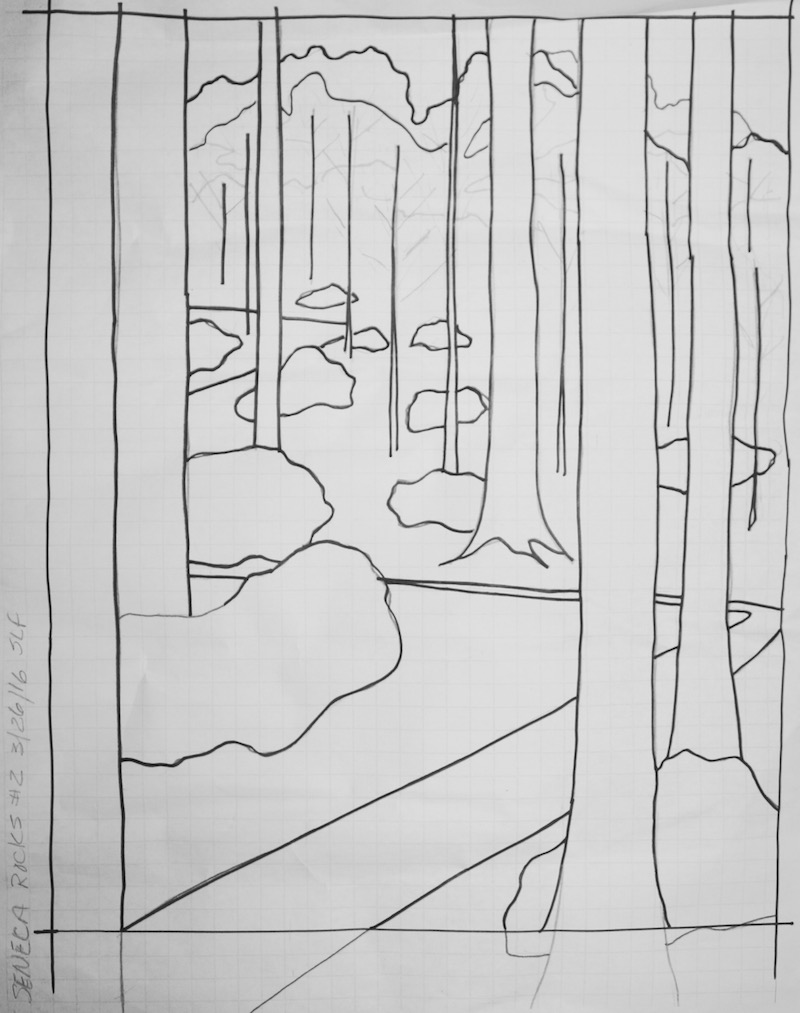
Sketch of Seneca Rocks #2 Susan L Feller

Sketch of Seneca Rocks #2 Susan L Feller

I think the last two ingredients are lacking something….but what?

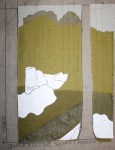
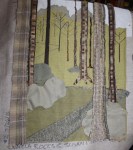
Check out my decision process so far:  layering fabric, working trees in different values embroidered, hooked and appliquéd, embroidery of leaves and then the rocks.

Decided I need to set this aside and work on another project while researching skills and shopping for supplies.

Came back to the piece and kept going. By selecting the upholstery material for rocks in value and different textures the piece seemed to come together. Turned it over to my partner, Jim Lilly who created a custom frame continuing the layers of forest. Seneca Rocks #2 is complete.

History at Penn Dry Goods

As one of 11 national speakers this year at Penn Dry Goods Market at the Schwenkfelder Library & Heritage Center, Pennsburg, PA my topic of rughooking was well represented in the antique dealers’ collections.  The lecture presented an overview timeline of rughooking techniques from sailors using their tools to pull yarns through canvas for riggings, handsewn coverings to creations that evolved into rugs as an open weave material in burlap became available in the mid 1860’s. Here is the handout listing the resources I used to create this historical background. History of Rughooking from an Artist’s Frame

Spreading through the Maritime Provinces of Canada and New England where winters were long and wool fabric available, I mentioned the people along this journey from pattern makers, authors, collectors, teachers and the artists in every home.  The talk encouraged all to think of the individuals pulling or poking fabric into designs which pleased the maker and now are purchased (or made) to decorate our own homes. This list is just the beginning referring to fine artists who use the technique of rughooking History People who used technique as art

Look at the variety of rugs, mats, framed work the dealers brought.  Interested in one contact the vendor directly, see this list.   I would recommend this event  May 19-20, 2017 with another lineup of presenters and dealers. Exhibits in the museum are interesting anytime. Featured now is Within and Without: the Art of the Book in the Fraktur Gallery

Ani DiFazio Antiques

Ani DiFazio Antiques – hooked on linen pillowcase novelty yarns early 1900’s

Rug published in Hooked Rug Treasury, by Jessie Turbayne now available

Rug published in Hooked Rug Treasury, by Jessie Turbayne now available

David Tuttle  sold

David Tuttle
sold

Gatchellville Store

Gatchellville Store – Madonna hooked in PA early 1900’s

Cat Lady Antiques

Cat Lady Antiques – Mother and children Esther, Philip probably from New England

Nailor Antiques half of a runner, black is heart design

Nailor Antiques
half of a runner, black is heart design

Neverbird Antiques

Neverbird Antiques – Hannah L Hale, Newburyport, MA 1845-1849 sheered yarn

Rose B. Berry

Rose B. Berry


Review of exhibit: Hooked Images

Roslyn Logsdon curator of Hooked Images

Roslyn Logsdon curator of Hooked Images

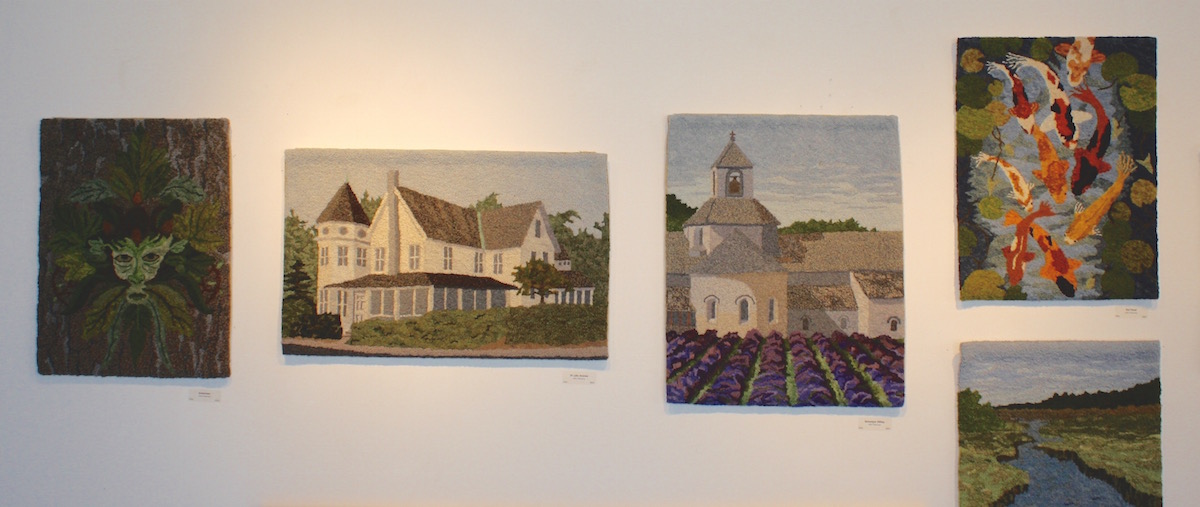
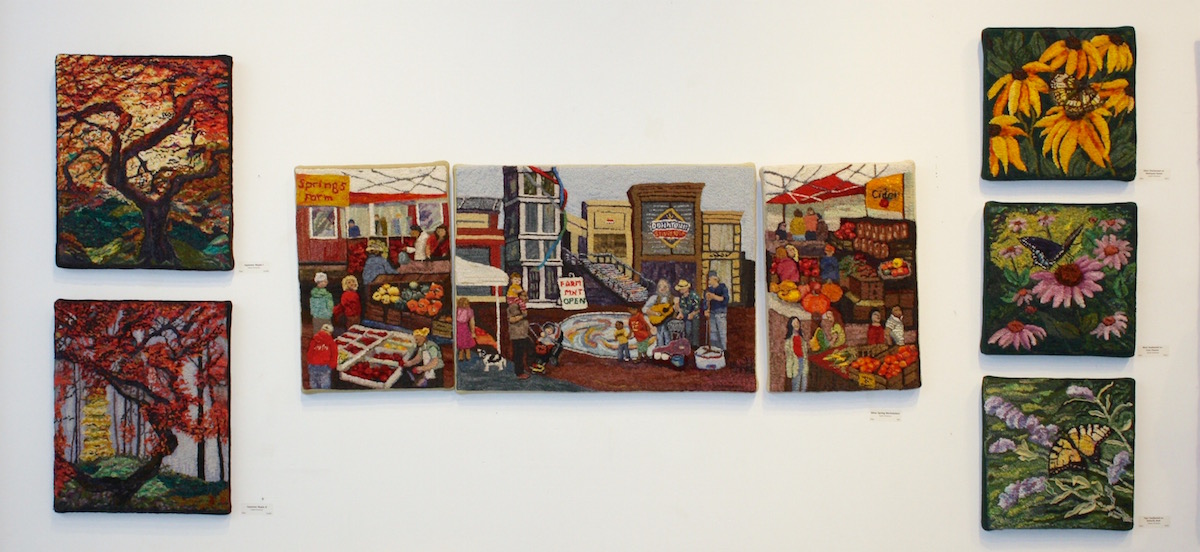
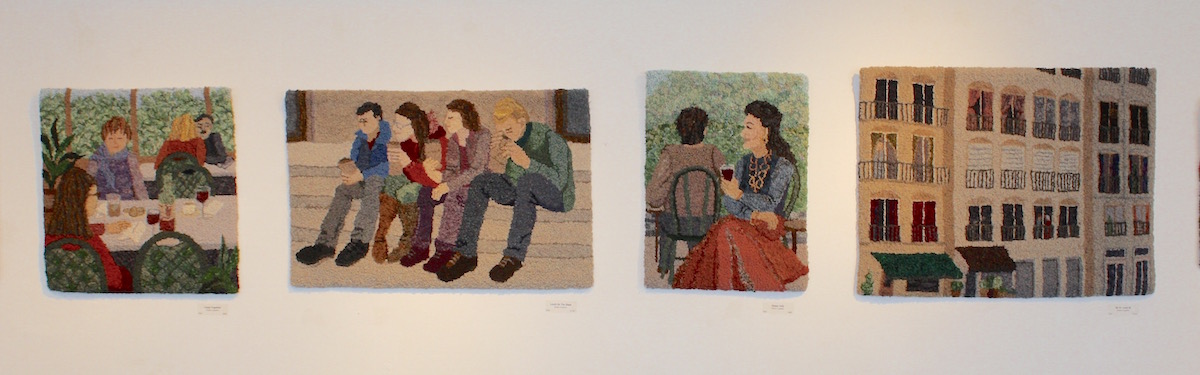
Recently Roslyn Logsdon coordinated an exhibit of contemporary fiber art by Carol Koerner, Marilyn Bottjer, Roslyn, Susan L. Feller, John Flournoy, and Sarah Province in a gallery at Columbia Art Center, Maryland. The exhibit statement’s overview indicates four of the artists work in fine traditional cuts and two introduce wider wool strips with a variety of fiber techniques. Read the full statement here: Hooked Images Curator’s Statement

Artist’s work was presented in a collage format allowing the viewer to study their personal style, techniques and use of materials then visit the next. With all six in the same space it was also easy to evaluate the full collection.  Each contributed an artist statement and the titles told stories. Enjoy this virtual tour.

Susan L Feller collection

Susan L Feller collection

Susan L Feller Artist Statement 

Carol Koerner collection

Carol Koerner collection

Carol Koerner Artist Statement

John Flournoy collection

John Flournoy collection

John Flournoy Artist Statement

Sarah Province collection

Sarah Province collection

Sarah Province Artist Statement

Marilyn Bottjer collection

Marilyn Bottjer collection

Marilyn Bottjer Artist Statement

Roslyn Logsdon collection

Roslyn Logsdon collection

Roslyn Logsdon Artist Statement

Columbia Art Center serves the community with art classes for young and old. The exposure of contemporary art hanging for six weeks in their galleries encourages innovation in emerging artists. Reach out to regional galleries, museums and art centers with proposals for exhibits of hooked images and educate the public.


Ninth Retreat Whitened

Early in April for the past nine years fiber enthusiasts have traveled to Hampshire County, WV for a weekend at Peterkin Camp and Conference Center. Anticipation of renewing friendships, flashes of pinks from native redbuds along Route 50, and pulling loops until midnight energize us.

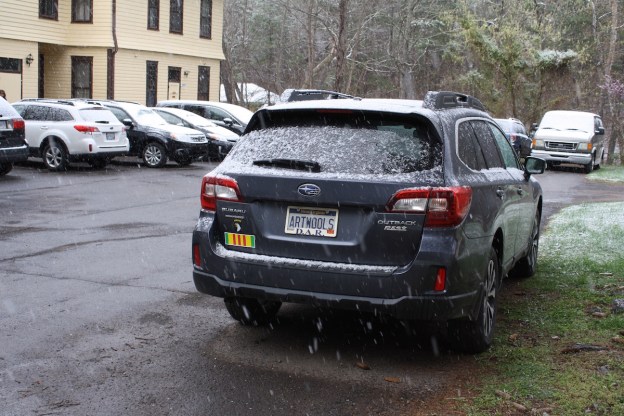
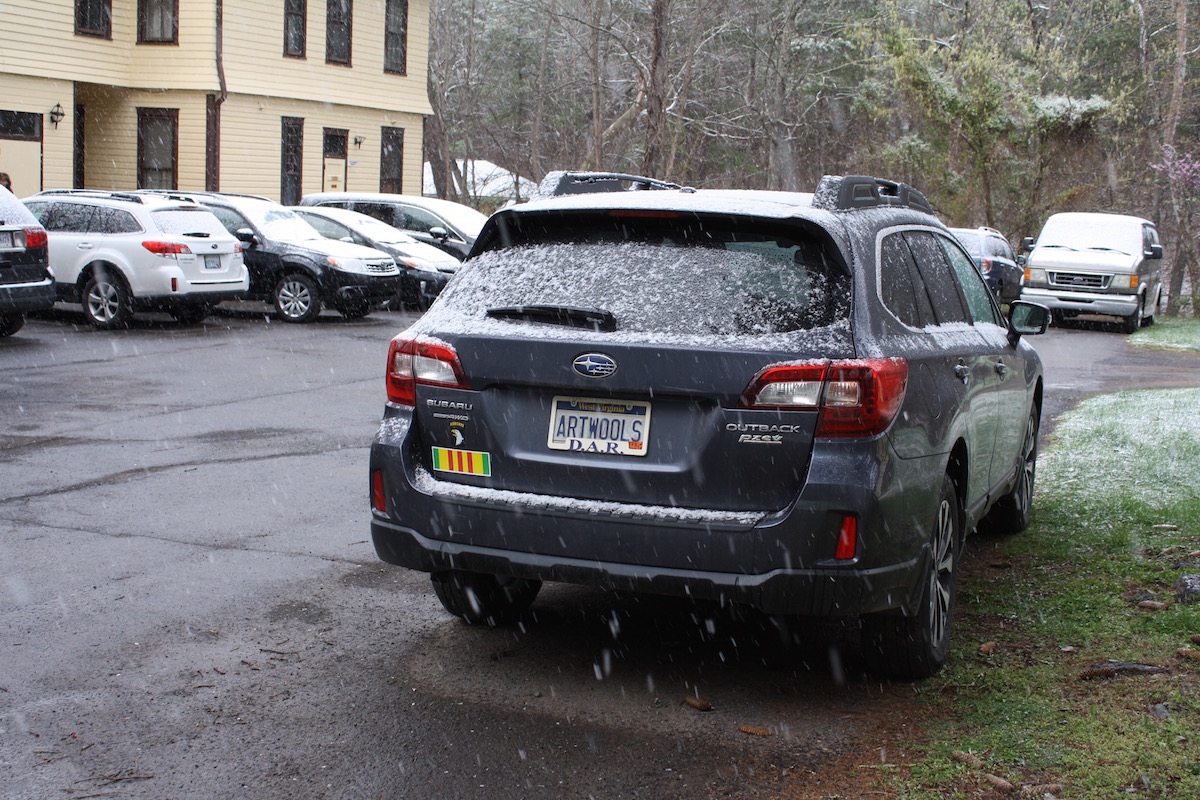
Snow but no travel on Saturday

Snow but no travel on Saturday

This year the weather included snow! We also had rain on Friday and bright sun on Sunday to travel home. In past years there has been hurricanes, tornadoes, and a full weekend of very warm sunny weather. Mother Nature is fickle in April in West Virginia.

We worked away on a wide variety of rughooking projects. Many of which will be works in progress next year too – they are quite intricate.
Too quickly the packing began and vehicles headed north, south, east and west filled with memories of conversations and visual fun.
Join with a friend or two and pull some loops soon, your mind and work will benefit.

What am I learning?

Sketches and small studies reveal patterns, address color nuances and encourage decisions.
What will be explored again, how large, using what materials, techniques, how many times?

Searching for Inspiration

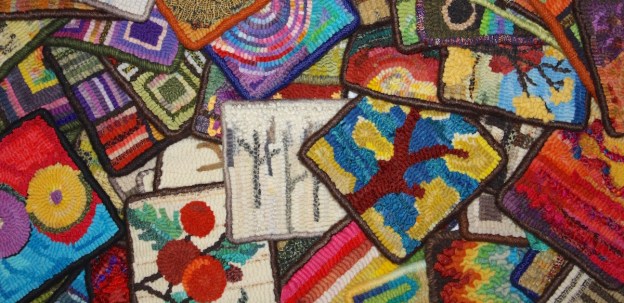
5 inch hooked mats Susan L Feller

5 inch hooked mats Susan L Feller

Granted I have 365 sketches to “inspire” me creatively. But there is something about beginning to do that has eluded me for a block of time. Don’t fret, we are not holed up here in the mountains though rather traveled to new museums and collected inspiring details.


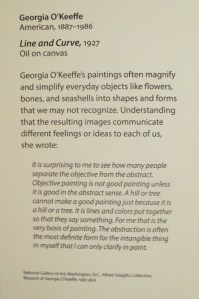
Studying a favorite, Georgia O'Keefe

Studying a favorite, Georgia O’Keefe

The Chrysler Museum of Art is in Norfolk, VA and open (free) every day. Galleries are filled chronologically covering worldwide history. The contemporary exhibits change and a separate Glass Studio includes opportunities to watch work in progress.
Labeling can add to the experience and the information with the artwork enhances our understanding of time and technique. We also found the docents to be the friendliest and most knowledgeable.


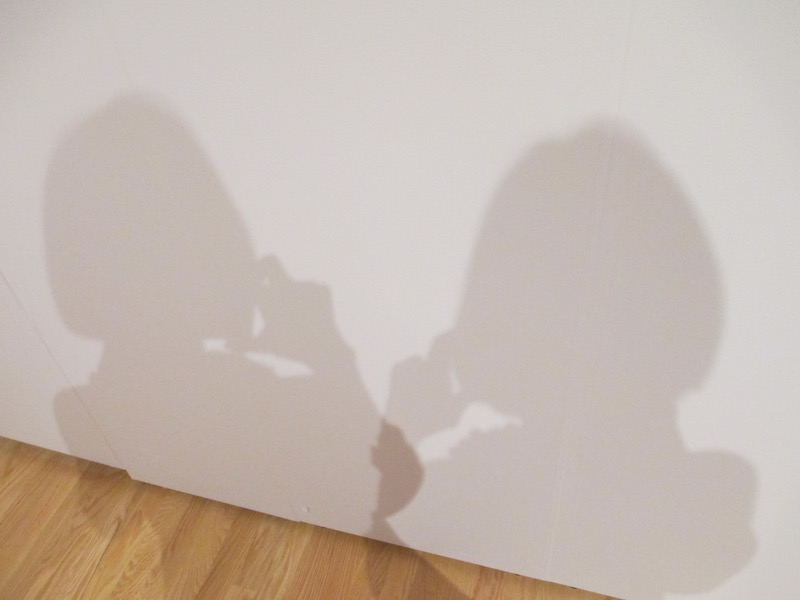
Shadows in Contemporary Gallery

Shadows in Contemporary Gallery


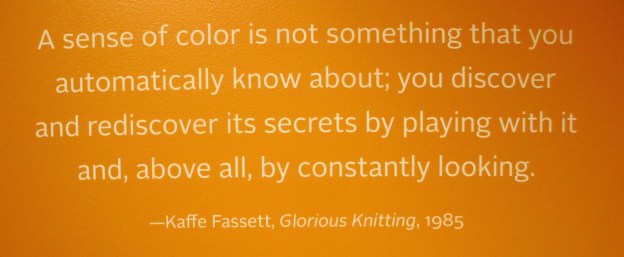
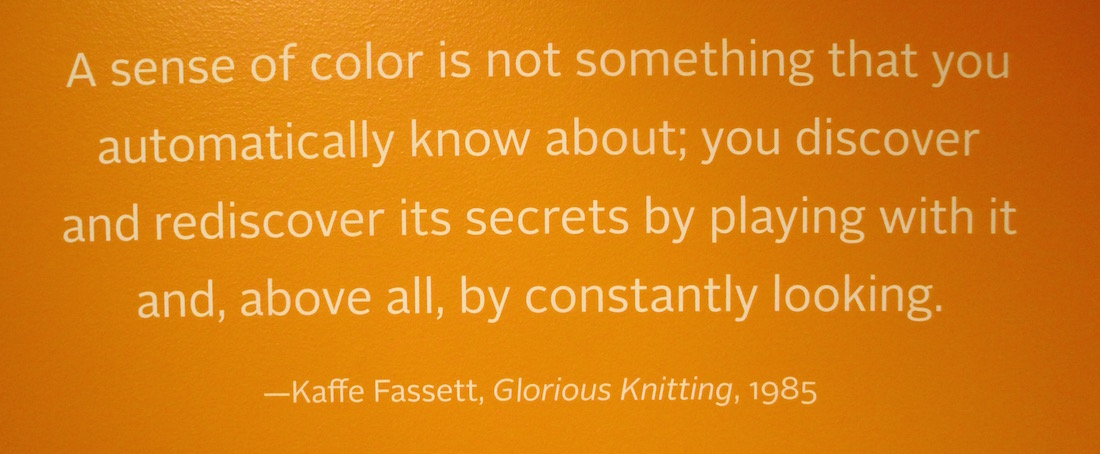
At the Michener Museum, Doylestown, PA  color was abundant. Kaffe Fassett presented “Blanket Statements” exhibiting quilts from a British collection alongside the contemporary results through Feb 21, 2016.


IMG_3162

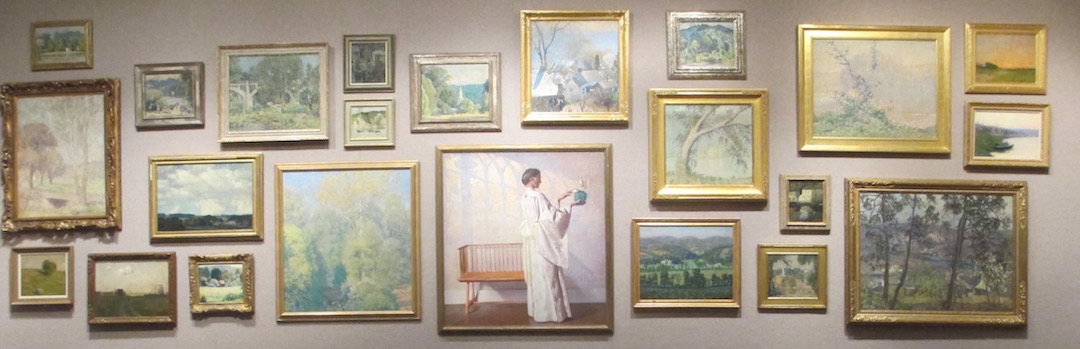
Bucks County Impressionist collection

Bucks County Impressionist collection

The Michener collection focuses on regional artwork and features the talent of Bucks County Impressionists hung in a salon manner with labels as handouts not interspersed on the wall.

Inspiration can and should come from traveling. Vancouver, BC was an exciting trip filled with Emily Carr’s vast Pacific Northwest rainforest, city structure, and studio visits. All made extra special by spending with several art friends.

Shapes, texture, color, scale and awe.

Then there are the every day scenes filled with memories that can trigger a design.  I am energized by selecting these scenes and with a snow storm predicted will gather materials and tools for a long weekend of creating.  Hope you too are prepared or will find inspiration in the days ahead.


Documenting Work

Two paths converge with my work: history and art. Documenting who created the artwork begins the archival trail for future researchers, bringing “life” to an object.

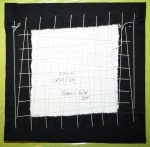
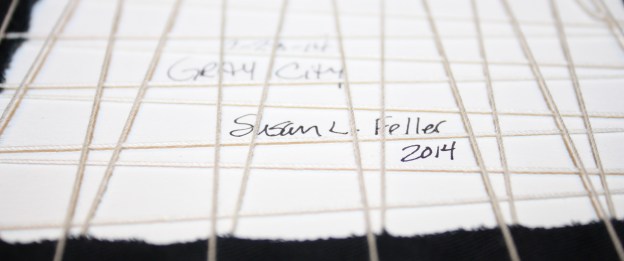
The squares are not individually signed within the work but I am stitching a label to each along with the online archival record at Year Study.

Those which are framed include labeling in several steps.

Thrilled with the end results – a unique piece of art, off to its new home.


Revealing Squares

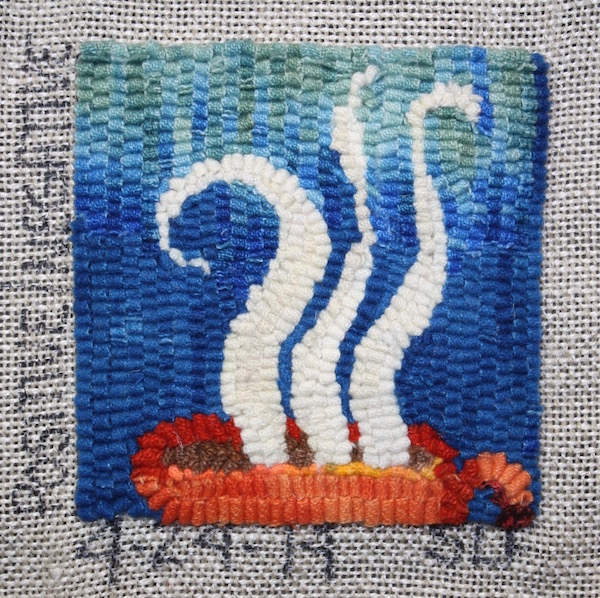
4-24-14 Positive Negative; hooked

4-24-14 Positive Negative; hooked

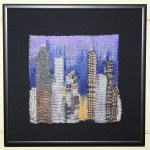
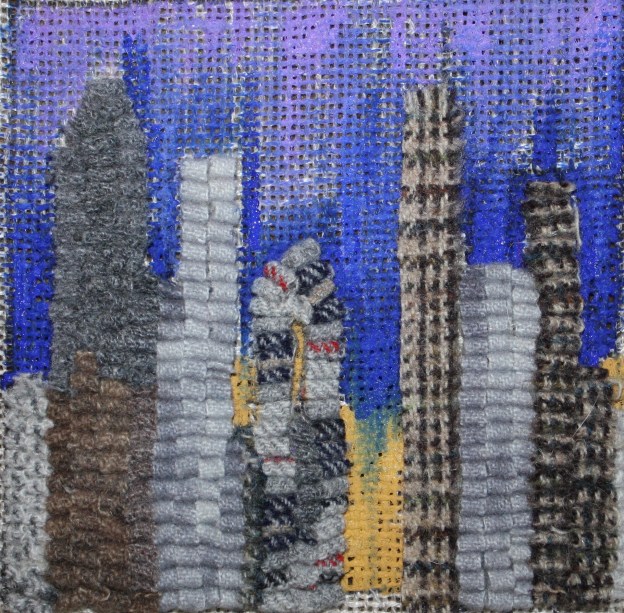
I am thrilled to announce the administrative work is completed and you can virtually explore the Year Study – square by square.  Review the exhibit here online.

From November 2013, through November 2014 the  individual squares are listed for sale at squareup.com/store/Susan-Feller-ArtWools select STORE then the month you are interested in or scroll through. Sold pieces are not listed on the sale site but you can still study them at www.ArtWools.com/year-study.

Looking forward to conversations in person, here online and through articles about creativity, process and product.